Lower Your Car Insurance Deductible and Keep Premiums Flat


Quick answer: On its own, a lower deductible almost always raises your premium, because the insurer pays more of each claim. The way around it is to lower the deductible and cut the premium somewhere else at the same time: stack discounts, drop coverage you no longer need, use a vanishing deductible program, or move to a cheaper insurer.↗ Share on X
Here is the honest answer: if you only lower your deductible, your premium will almost always go up. The deductible is the part of a claim you pay yourself. When you pay less, the insurer pays more, and it charges for that. But you can still end up with a lower deductible and the same or a lower total bill by making the change and cutting cost somewhere else in the same move. The most reliable ways are stacking discounts, using a vanishing deductible program, splitting your deductibles between collision and comprehensive, dropping coverage you do not need, and getting quotes from other insurers.
Below is how each one works, what to ask your insurer, and how to check the math before you sign anything.
What does a deductible actually do to your price?
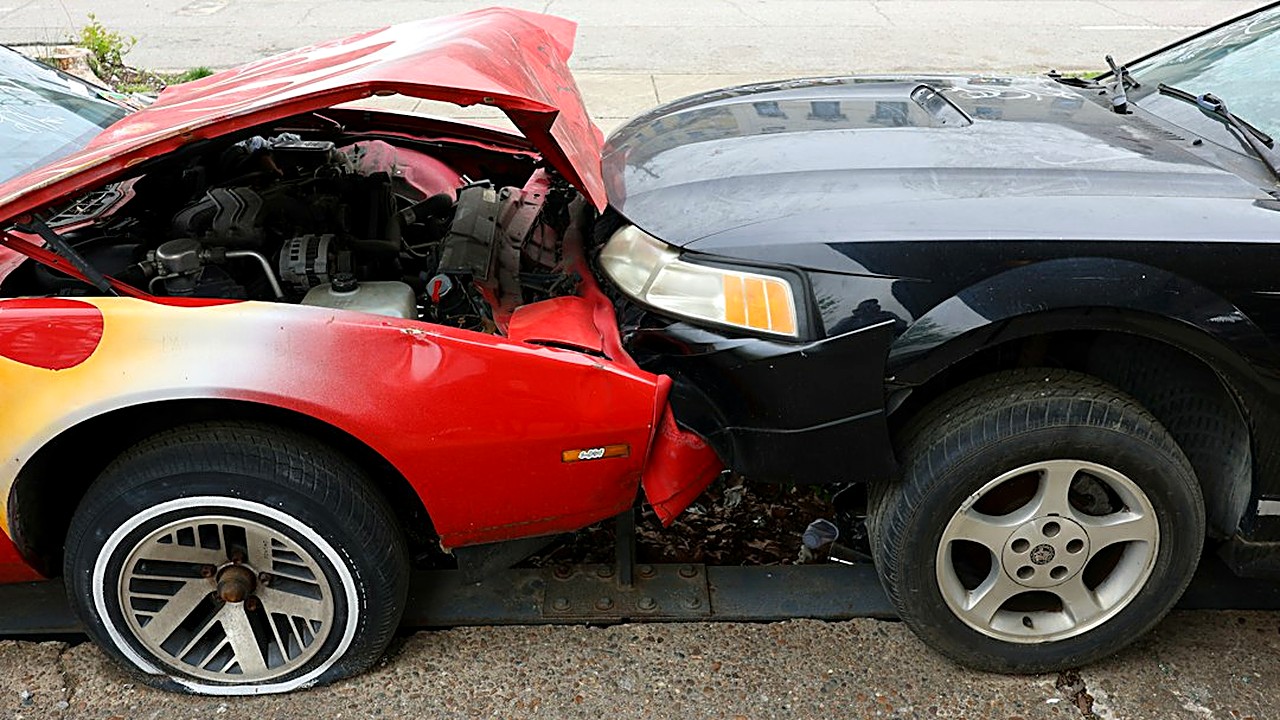 Not-at-Fault Accident Claim: Will Your Car Insurance Rise? →
 Life Insurance Riders: Which Add-Ons Are Worth Paying For? →
 Life Insurance Medical Exam: What to Expect Step-by-Step →
A deductible applies to the coverage that pays for damage to your own car:
- Collision: pays when your car hits another car or an object.
- Comprehensive: pays for theft, hail, flood, fire, a falling tree or hitting a deer.
Liability coverage, which pays for damage you cause to other people, usually has no deductible. So changing your deductible only moves the price of collision and comprehensive. That part of your bill is often a big share of the total, but not all of it.
Common deductible choices are $250, $500, $1,000 and $2,000. Going from $1,000 down to $500 means you pay $500 less out of pocket on each claim. The insurer adds that risk into your premium. How much it adds depends on your insurer, your state, your car and your driving record. That is why the only number that matters is the quote for your policy.
Clear money tips in your inbox. No hype.
Way 1: Can discounts cancel out the higher cost?
Affiliate link. We may earn a commission on purchases, at no extra cost to you.
This content is informational and is not investment advice or financial consulting.
Often, yes. Many drivers are missing discounts they already qualify for. Call your insurer or log in and ask about each of these:
1. Bundling home, renters or life insurance with the same company.
2. Paying in full for six or twelve months instead of monthly.
3. Paperless billing and automatic payments.
4. Safe driver or claim-free discount.
5. Defensive driving course (some states require insurers to offer this, often for older drivers).
6. Good student discount for drivers in school with good grades.
7. Low mileage if you work from home or drive less than before.
8. Safety and anti-theft equipment on the car.
9. Membership or employer discounts (alumni groups, unions, some employers).
Ask the agent this exact question: *"If I lower my deductible to $500 and you apply every discount I qualify for, what is my new six-month premium?"* That gives you one clear number to compare.
Way 2: What is a vanishing deductible?
 $500 or $1,000 Deductible? Comparing Car Insurance Quotes →
 Insurance Exclusions: What Your Policy Won't Pay For →
 Credit-Based Insurance Scores: How They Change Your Premium →
Some insurers offer a program, often called a vanishing or diminishing deductible, that lowers your deductible for every year you go without a claim. After a few clean years, your deductible may drop a lot, sometimes to zero, depending on the company and plan.
Things to check before you sign up:
- Is it free, or is there an extra yearly fee?
- How much does the deductible drop each year?
- What happens after a claim? (Usually it resets to the starting amount.)
- Does it apply to both collision and comprehensive?
If you are a careful driver, this can give you a lower deductible over time without a big jump in your premium today.
Way 3: Should you split your two deductibles?
You do not have to use the same deductible for both. A smart combination for many people:
| Coverage | Typical risk | Deductible idea |
|---|---|---|
| Comprehensive | Hail, theft, glass, animals. Often out of your control | Lower ($250 to $500) |
| Collision | Crashes. More tied to how you drive | Higher ($1,000) |
Comprehensive coverage often costs less than collision, so lowering only that deductible may add less to your bill than lowering both. If you live where hail, break-ins or deer are common, this gives you the protection you are most likely to use for a smaller price change.
Also ask about full glass coverage. In some states and with some insurers, it lets you fix a windshield with no deductible at all.
Way 4: Are you paying for coverage you no longer need?
Look at your policy line by line. Common items you might cut:
- Collision on an old car. If your car is worth only a few thousand dollars, collision may cost more over time than it would ever pay. A common rule of thumb: if a year of collision and comprehensive costs more than about 10% of the car's value, take a hard look at dropping them.
- Rental reimbursement if you have a second car you can use.
- Roadside assistance if you already get it through a motor club, your car's warranty or a credit card.
- Duplicate medical coverage if your health insurance already covers you well. Check your state rules first, since some states require certain coverage.
Do not cut liability limits to save money. That is the coverage that protects your savings and income if you hurt someone. Lowering it to pay for a smaller deductible is a bad trade.
Way 5: Will shopping around really change the price?
Yes, this is usually the biggest lever. Insurers price the same driver very differently. A lower deductible at one company can cost less than a higher deductible at another.
How to shop without wasting a day:
1. Grab your current declarations page (the summary page of your policy).
2. Get quotes from at least three insurers, including one local or regional company and one independent agent who can check several companies for you.
3. Ask every company for the exact same limits and the new deductible you want.
4. Compare the total yearly price, not the monthly payment.
5. Check customer reviews about claims, not just price. A cheap policy that fights every claim is not cheap.
A good time to shop is about 30 days before your renewal date.
Way 6: Can telematics lower your premium?
Many insurers offer a usage-based or telematics program. You install an app or a small device, and it tracks things like hard braking, speed, phone use and late-night driving. Safe driving can earn a discount.
Before you join, ask:
- Can my price go up if the app scores me badly? With some insurers, yes.
- How long is the tracking period?
- What data is collected and who sees it?
If you drive calmly and not much at night, the discount can help pay for your lower deductible.
Way 7: How do you check if the change is worth it?
Do this simple math before deciding:
1. Find the extra yearly cost of the lower deductible (after discounts).
2. Find how much less you would pay per claim (for example, $1,000 minus $500 = $500).
3. Divide the extra cost by the savings per claim.
Example (made-up numbers, just to show the math): if the lower deductible adds $150 a year and saves you $500 per claim, you would need a claim about once every three years for it to pay off. If you rarely file claims, the higher deductible plus a savings account may be the better deal.
Way 8: What about a deductible savings fund?
This is the plan that never raises your premium. Keep your current deductible and put the money you would have spent on the higher premium into a separate savings account. After a year or two, you have your deductible covered in cash. You get the low premium and the peace of mind.
What is a quick checklist before you call?
| Step | Done? |
|---|---|
| Have my declarations page ready | |
| Know my renewal date | |
| List every discount I might qualify for | |
| Ask for a quote with split deductibles | |
| Ask about a vanishing deductible program | |
| Get at least three outside quotes | |
| Run the break-even math |
A word of caution
Insurance rules, required coverage and prices vary by state and by company. This article is general information, not advice for your situation. Before you drop coverage or change limits, talk with a licensed insurance agent or your state's department of insurance, especially if you have a car loan or lease, since your lender may require certain deductibles and coverage.
Your next step
Today, find your declarations page and write down your current deductible and six-month premium. Then call your insurer and ask one question: *"What is my price with a $500 comprehensive deductible, my current collision deductible, and every discount I qualify for?"* Use that number as your target and get two outside quotes this week to beat it.
FAQ
Does a lower deductible always raise my car insurance premium?
Almost always, yes, because the insurer pays more of each claim. You can offset it with discounts, a vanishing deductible program, dropping coverage you do not need, or switching to a cheaper insurer.
Can I have different deductibles for collision and comprehensive?
Yes. Most insurers let you choose each one separately. Many drivers pick a lower comprehensive deductible and a higher collision deductible to control cost.
When can I change my auto insurance deductible?
You can usually change it at any time by calling your insurer, and the price change is prorated. Some people wait until renewal to compare quotes from other companies at the same time.
Clear money tips in your inbox. No hype.
Educational content, not personalized financial advice. Sources cited where applicable.