Not-at-Fault Accident Claim: Will Your Car Insurance Rise?

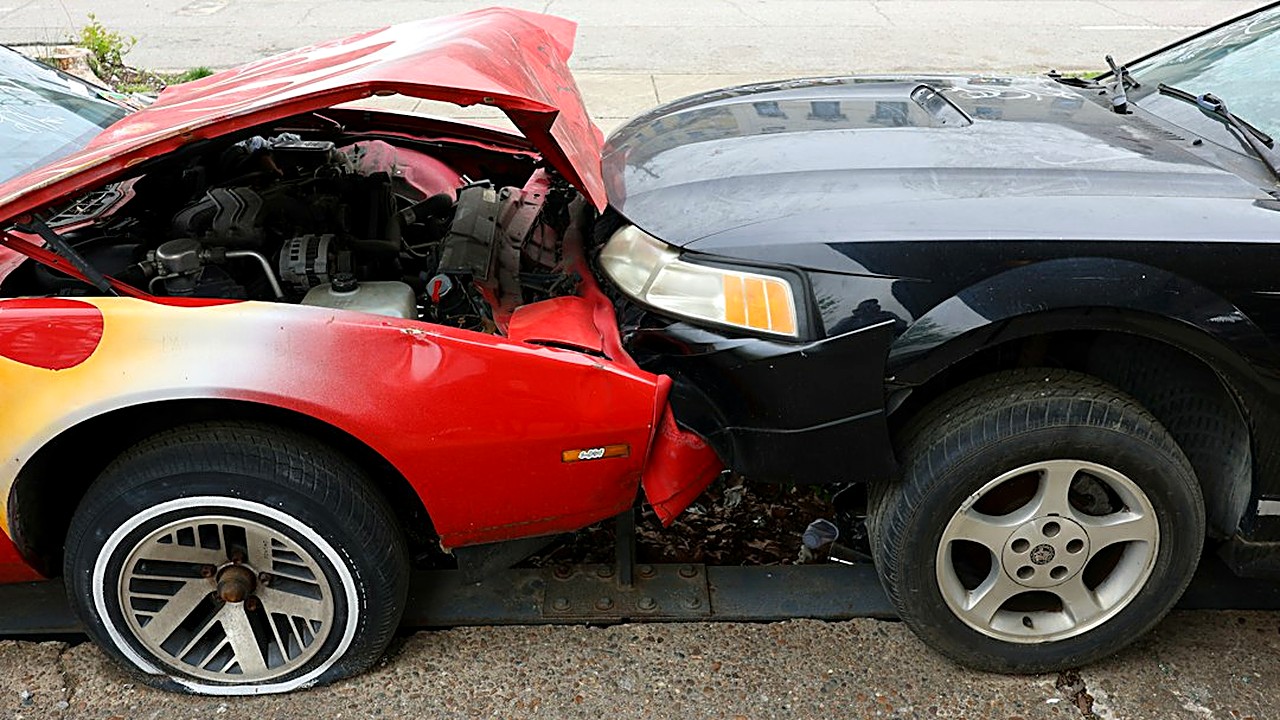
Quick answer: Usually a single not-at-fault claim does not add an accident surcharge, and some states limit it by law. Your premium can still rise if your insurer counts claim frequency, removes a claims-free discount, or splits fault, so get the 0% fault decision in writing.↗ Share on X
In most cases, a single not-at-fault accident claim should not raise your car insurance premium the way an at-fault accident does. Many insurers do not add an accident surcharge when the other driver is clearly to blame, and some states, such as California, have rules that limit surcharges for accidents you did not cause. But "should not" is not "will not." Your rate can still go up if your insurer counts the number of claims you file, if the whole state's rates rise at renewal, or if fault is never clearly assigned to the other driver.
Below is how insurers actually look at a not-at-fault claim, what can still push your price up, and the exact steps to protect your rate.
What does "not at fault" mean to an insurance company?
 Term Life Insurance With a Health Condition: What to Expect →
 How Insurers Price Jewelry, Art and Other Valuables Coverage →
 Auto Insurance Declarations Page: 7 Sections to Check Now →
Fault is decided by the insurance companies involved, not by you and not always by the police. An adjuster reviews the police report, photos, witness statements and the damage to both cars. Then each company assigns a percentage of fault.
Here is how that usually plays out:
- 0% at fault: the other driver caused the crash. Common examples: you were rear-ended at a red light, your parked car was hit, or the other driver ran a stop sign.
- Partly at fault: you share some blame, for example 20% or 50%. Depending on your insurer and your state, this can be treated like an at-fault accident.
- Fault unclear: no police report, no witnesses, and each driver tells a different story. This is where people get surprised by a rate increase.
The takeaway: the label "not at fault" only protects you if it is written into your claim file. Ask your adjuster to confirm it in writing.
Clear money tips in your inbox. No hype.
Can my premium still go up after a not-at-fault claim?
Affiliate link. We may earn a commission on purchases, at no extra cost to you.
This content is informational and is not investment advice or financial consulting.
Yes. These are the most common reasons:
1. Claim frequency. Some insurers look at how many claims you have filed in the last three to five years, no matter who caused them. One not-at-fault claim usually does not matter much. Two or three in a short period can make you look like a higher risk.
2. Loss of a claims-free discount. Some companies give a discount for having no claims at all. A not-at-fault claim may remove that discount even if no surcharge is added. Your bill goes up, even though the paperwork says "no surcharge."
3. General rate increases. Insurers raise prices for everyone in an area when repair costs, medical costs or local accident numbers go up. If your claim happened right before renewal, it is easy to blame the claim when the real cause is a statewide rate change.
4. Fault was split. If you were assigned any share of the blame, you may get a partial or full at-fault surcharge.
5. Uninsured or hit-and-run driver. If you used your own uninsured motorist or collision coverage because the other driver could not be found or had no insurance, some insurers treat it differently. Rules vary a lot by state.
6. Comprehensive claims. Hail, theft, a falling tree or hitting a deer are not "accidents" with fault, but they are still claims. Many insurers count them for claim frequency.
How do at-fault and not-at-fault claims compare?
 Not at Fault in a Crash? Who Pays Your Car Deductible →
 How Life Insurers Use Your BMI to Set Your Rate Class →
 Total Loss Claim: How Adjusters Check Your Home Inventory →
| Situation | Accident surcharge likely? | Could affect claim count? | Who usually pays for repairs |
|---|---|---|---|
| Rear-ended at a stop, other driver insured | Usually no | Sometimes | Other driver's liability insurance |
| Parked car hit, driver identified | Usually no | Sometimes | Other driver's liability insurance |
| Hit-and-run, driver never found | Depends on state and insurer | Often | Your uninsured motorist or collision coverage |
| You share part of the blame | Possible | Yes | Split between insurers |
| You caused the crash | Likely | Yes | Your collision and liability coverage |
| Hail, theft or animal strike | No accident surcharge | Often | Your comprehensive coverage |
This table shows typical patterns, not rules. Your policy and your state's laws decide what actually happens.
Should I file the claim with my insurer or the other driver's?
You have two common paths:
Option 1: File with the other driver's insurer (third-party claim). Their liability coverage pays for your repairs. The claim is on their customer's record, not yours. You usually pay no deductible. The downside: it can take longer, and they may dispute fault.
Option 2: File with your own insurer (first-party claim). Your collision coverage pays, and you pay your deductible first. Your company then tries to get the money back from the other insurer. This is called subrogation, which simply means your insurer goes after the at-fault driver's company to recover what it paid. If they win, you can get your deductible back. This route is often faster.
Even when you file with the other driver's company, tell your own insurer about the accident. Most policies require you to report any accident promptly. Reporting it is not the same as filing a claim, but skipping it can cause problems later.
How can I protect my rate after a not-at-fault accident?
Follow these steps, in this order:
1. Call the police if anyone is hurt or the damage is significant. A police report is the strongest proof of who caused the crash.
2. Take photos right away: both cars, license plates, the road, traffic signs, skid marks and the other driver's insurance card.
3. Get witness names and phone numbers. A neutral witness can settle a fault dispute.
4. Do not admit fault at the scene. Stay polite and stick to facts. "I'm sorry" can be read as admitting blame.
5. Report the accident to your insurer within the time your policy requires.
6. Ask your adjuster one direct question: "Has this claim been coded as not at fault, at 0%?" Ask for it by email.
7. Keep every document: claim number, adjuster's name, emails and repair estimates.
8. Check your renewal notice carefully. Compare the new price with the old one. Look for a removed discount or an added surcharge line.
9. If you see a surcharge, ask for the reason in writing. If the claim was not your fault, ask the insurer to remove it and send proof.
10. If they refuse, contact your state's department of insurance. Every state has one, and they accept consumer complaints about surcharges and claim handling for free.
Is it worth paying for small damage myself?
Sometimes. If the damage is small and the other driver offers to pay you directly, you may avoid a claim on anyone's record. But this carries real risk:
- The other driver may stop answering calls once the car is at the shop.
- Hidden damage (bent brackets, sensors, frame damage) can cost much more than the first estimate.
- If someone feels pain later, a private deal does not protect you.
A safer middle path: get a repair estimate from a shop first. If the cost is close to or below your deductible and the other driver pays on the spot, a private settlement may make sense. If the cost is higher, or anyone could be hurt, go through insurance. When in doubt, call your insurance agent and ask how the accident would be recorded before you decide.
How long does a claim stay on my record?
Most insurers look back three to five years when they set your rate. Claims are also stored in shared industry databases that insurers check when you shop for a new policy. You have the right to request a free copy of your claims history report once a year, and to dispute anything that is wrong, such as an accident marked as your fault when it was not.
Should I shop around if my premium went up?
Yes, if your rate rose and your insurer will not explain or remove it. Companies treat not-at-fault claims very differently. Some ignore a single one completely; others count every claim.
When you compare quotes:
1. Use the same coverage limits and deductibles so the prices are truly comparable.
2. Tell each company about the accident honestly and say it was not your fault.
3. Ask each one directly how they treat not-at-fault claims.
4. Check for a gap in coverage before you cancel. Start the new policy before the old one ends.
When should I talk to a professional?
Talk to a licensed insurance agent or your state insurance department if your insurer added a surcharge you believe is wrong, or if fault is in dispute. If anyone was injured, if the other driver has no insurance, or if the other company denies your claim, consider talking to a licensed attorney in your state. Many offer a free first consultation for accident cases. This article gives general information, not legal or financial advice for your situation.
Your next step
Find your claim number and send your adjuster a short email today: "Please confirm in writing that claim [number] has been recorded as 0% fault on my part, and tell me whether it will affect my premium or any discounts at renewal." Save the reply. When your renewal notice arrives, compare it line by line with last year's bill, and if anything changed, you will already have the proof you need to ask for it to be fixed.
FAQ
Do I have to report a not-at-fault accident to my own insurer?
Most policies require you to report any accident promptly, even if you file the claim with the other driver's company. Reporting is not the same as filing a claim, and skipping it can cause problems later.
What is subrogation?
It is when your insurer pays for your repairs and then collects the money from the at-fault driver's insurance company. If it succeeds, you can get your deductible back.
What can I do if my insurer added a surcharge for an accident I didn't cause?
Ask for the reason in writing, send proof such as the police report and the adjuster's fault decision, and request removal. If they refuse, file a free complaint with your state's department of insurance.
Clear money tips in your inbox. No hype.
Educational content, not personalized financial advice. Sources cited where applicable.