Not at Fault in a Crash? Who Pays Your Insurance Deductible

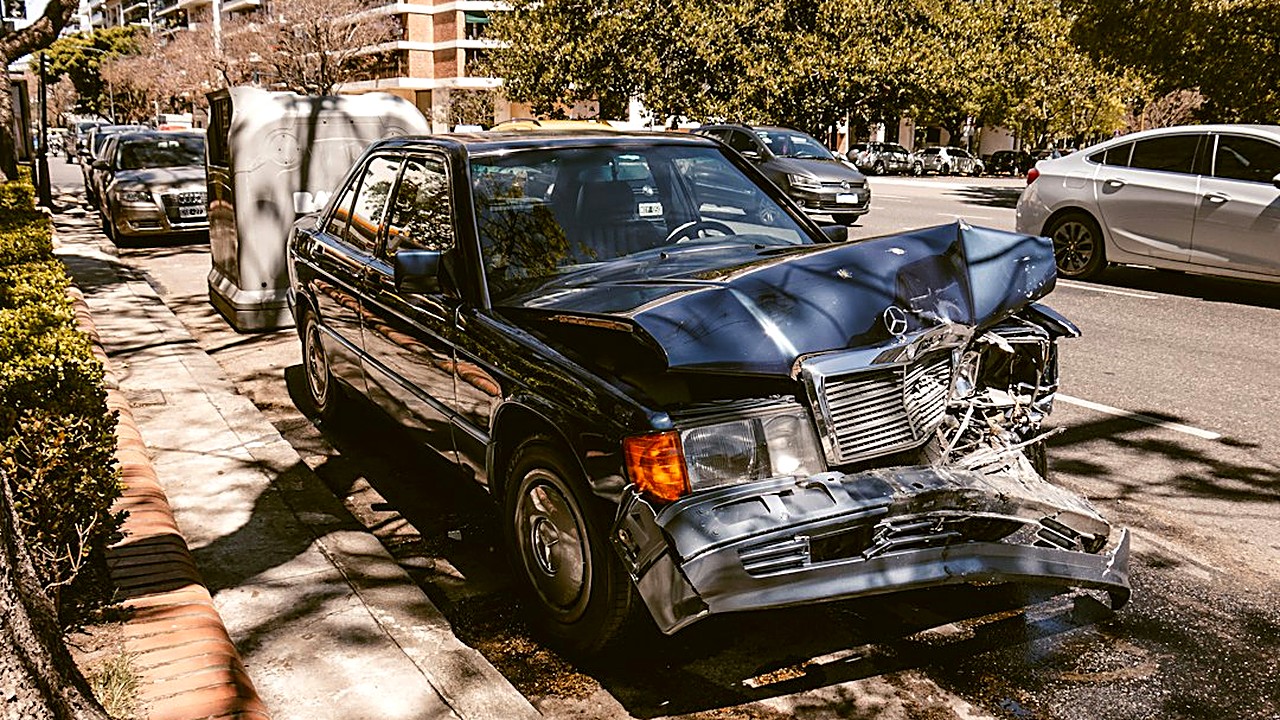
Quick answer: If the other driver is clearly at fault, you usually should not pay your deductible at all: their liability insurance pays for your repairs. If you use your own collision coverage to get the car fixed faster, you pay the deductible up front, and your insurer tries to recover it from the other company and send it back to you.↗ Share on X
If another driver caused the crash, you normally should not pay your deductible. The at-fault driver's liability insurance is supposed to pay for your repairs, your rental car, and your medical bills, up to their policy limits. You only pay a deductible when you decide to run the claim through your own collision coverage, usually because it is faster. Even then, your insurance company will usually try to recover that money from the other insurer and pay you back.
That is the short answer. The real answer depends on which path you take, which state you live in, and whether fault is clear. Here is how each situation works, step by step.
What does a deductible actually do?
 How Insurance Underwriters Judge Your Risk (and Your Price) →
 New Baby, Divorce or New Home? How to Reset Your Deductible →
 Why Your Zip Code Raises (or Lowers) Your Car Insurance →
A deductible is the part of a claim you pay before your own insurance pays the rest. If your collision deductible is $500 and the repair costs $3,000, your insurer pays $2,500 and you pay $500.
The key word is your own insurance. A deductible only applies when you file a claim on your own policy. When you file against someone else's liability insurance, there is no deductible for you to pay. Their policy pays you directly.
Clear money tips in your inbox. No hype.
What are your 3 options after a not-at-fault crash?
Affiliate link. We may earn a commission on purchases, at no extra cost to you.
This content is informational and is not investment advice or financial consulting.
You have three main ways to get your car fixed. Each one treats the deductible differently.
| Option | Who you file with | Do you pay a deductible? | Speed |
|---|---|---|---|
| 1. Third-party claim | The other driver's insurance | No | Slower, they must accept fault first |
| 2. First-party claim | Your own collision coverage | Yes, up front | Faster |
| 3. Uninsured motorist claim | Your own uninsured motorist coverage | Sometimes, depends on your policy and state | Medium |
Option 1: File with the other driver's insurance
This is called a third-party claim. You call the other driver's insurance company, give them the claim details, and they assign an adjuster. An adjuster is the person who looks at the damage and decides how much the company will pay.
The good part: you pay no deductible. The bad part: the other company will not pay until they accept that their driver caused the crash. If their driver tells a different story, you may wait.
Option 2: File with your own collision coverage
This is called a first-party claim. Your own insurer pays for repairs right away, minus your deductible. Then your insurer goes after the other company to get its money back. This process is called subrogation, which simply means your insurer "steps into your shoes" to collect from the person who caused the damage.
When subrogation works, your insurer usually recovers your deductible too and sends it back to you. When the other side disputes fault, you may only get part of it back, or none.
Option 3: Uninsured motorist coverage
If the other driver has no insurance, or it was a hit-and-run, you may be able to use uninsured motorist property damage coverage, if you bought it. In some states this coverage has a lower deductible than collision. Some states do not offer it at all for property damage. Check your declarations page, the summary sheet at the front of your policy.
When do you get your deductible back?
 Multi-Car Accident: Who Pays Your Insurance Deductible? →
 Will Filing a Claim Raise Your Premium? What Really Happens →
 Your Car Insurance Deductible After a Crash, Explained →
You get your deductible back when your insurer successfully collects from the at-fault driver's company. Here is what affects that:
1. Clear fault. A police report, photos, and witness names make it easier for your insurer to win.
2. Shared fault. If you are found partly at fault, you may only get part of your deductible back. For example, if you are found 20% at fault, you might get back about 80% of your deductible. The exact math depends on your state's rules.
3. The other driver's limits. If the other driver carries low limits and the damage is high, there may not be enough money to cover everything.
4. No insurance on the other side. If the at-fault driver is uninsured, your insurer may have nobody to collect from, and your deductible may not come back.
Your insurer is not required to tell you every step, so ask. A simple question works: "Has subrogation started on my claim, and will my deductible be included?"
Which option should you pick?
There is no single right choice. Use this simple test:
- Pick the other driver's insurance if fault is obvious, you have a police report, and you can wait a little.
- Pick your own collision coverage if you need the car fast, fault is being argued, or the other company is not returning calls.
- Pick uninsured motorist coverage if the other driver has no insurance or drove away.
You can also start with the other driver's insurer and switch to your own coverage later if they delay too long. Tell both companies what you are doing so the claims do not overlap.
What should you do in the first 48 hours?
What you do right after the crash has a big effect on whether you pay a deductible at all.
1. Call the police, even for a small crash, if your state allows a report. A report that names the other driver as at fault is strong proof.
2. Take photos of both cars, the road, traffic signs, skid marks, and the other driver's license plate.
3. Get the other driver's information: name, phone, insurance company, and policy number. Take a photo of their insurance card.
4. Get witness names and phone numbers. A witness can settle an argument about fault.
5. Do not admit fault at the scene. Saying "sorry" can be used against you later. Stick to facts.
6. Report the crash to your own insurer even if you plan to file with the other company. Most policies require you to report accidents promptly.
7. Write down what happened while you remember it: time, place, speed, weather, direction.
What about medical bills and no-fault states?
Your car is one part of the claim. Injuries can work differently.
A number of states use a no-fault system for injuries. In those states, your own personal injury protection (PIP) pays your medical bills first, no matter who caused the crash. Some PIP policies have their own deductible. In no-fault states, you can usually only sue the other driver for injuries if they meet certain conditions set by state law.
No-fault rules usually cover injuries, not car damage. Car damage still often goes through the at-fault driver's insurance or your collision coverage.
If you were hurt, see a doctor quickly and keep every bill and receipt. If your injuries are serious, or the insurance company offers a quick settlement that feels low, talk to a licensed personal injury attorney before signing anything. Many offer a free first consultation.
Can a policy add-on help next time?
Some insurers sell options that reduce or remove the deductible in certain cases. Common ones include:
- Collision deductible waiver: removes your deductible if an identified uninsured driver hits you. Available in some states only.
- Vanishing or diminishing deductible: your deductible goes down for each year without a claim.
- Lower collision deductible: a smaller deductible means a smaller out-of-pocket hit, but a higher monthly premium.
These are not right for everyone. Compare what you pay each year for the add-on with how much risk you are actually removing. Ask your agent for the exact price, in dollars, before you add anything.
What mistakes cost people their deductible?
These are the most common ways people end up paying money they did not owe:
- Leaving the scene without the other driver's insurance information. Without it, your insurer may have nobody to collect from.
- Not following up. Claims can sit for months. Ask for updates every two or three weeks.
- Accepting fault too quickly when the other driver argues. You can ask for the adjuster's reasons and push back with your photos and the police report.
- Not reading the settlement letter. Before you sign, check that it lists your deductible, rental costs, and any other expenses.
- Missing deadlines. Policies and state laws set time limits for reporting and suing. Do not wait.
What if the insurer says you are partly at fault?
This happens often. Many states use comparative fault, which means fault can be split between drivers, like 70/30. Your payout and your deductible refund are then cut by your share of the fault.
If you disagree:
1. Ask the adjuster in writing to explain how they decided the split.
2. Send any new proof you have: photos, dashcam video, witness statements.
3. Ask your own insurer whether it will take the case to arbitration, a process where a neutral group decides fault between insurance companies. Many insurers use it for these disputes.
4. If you are still stuck, file a complaint with your state insurance department. It is free.
Your next step
Open your insurance app or find your declarations page today, before you ever need it. Write down three numbers: your collision deductible, whether you have uninsured motorist property damage coverage, and your liability limits. Then save your insurer's claims phone number in your contacts. If you are already in a claim, call your adjuster this week and ask one question: "Is my deductible included in your recovery from the other company, and when should I expect an update?"
FAQ
Do I pay my deductible if the other driver was at fault?
Not if you file with the other driver's insurance company. Their liability coverage pays for your damage. You only pay your deductible if you choose to file with your own collision coverage, and then your insurer usually tries to get it back for you.
How long does it take to get my deductible refunded?
There is no fixed time. It depends on how fast the two insurance companies agree on fault and settle. Simple cases can close in a few weeks. Disputed cases can take many months. Ask your adjuster for status updates every few weeks.
Will a not-at-fault accident raise my insurance rate?
In many states, insurers are limited in how much they can raise your rate for an accident you did not cause, but the rules differ by state and by company. Ask your agent directly and check your state insurance department's website.
Clear money tips in your inbox. No hype.
Educational content, not personalized financial advice. Sources cited where applicable.