Understanding Gap Insurance: Do You Really Need It for Your New Car?

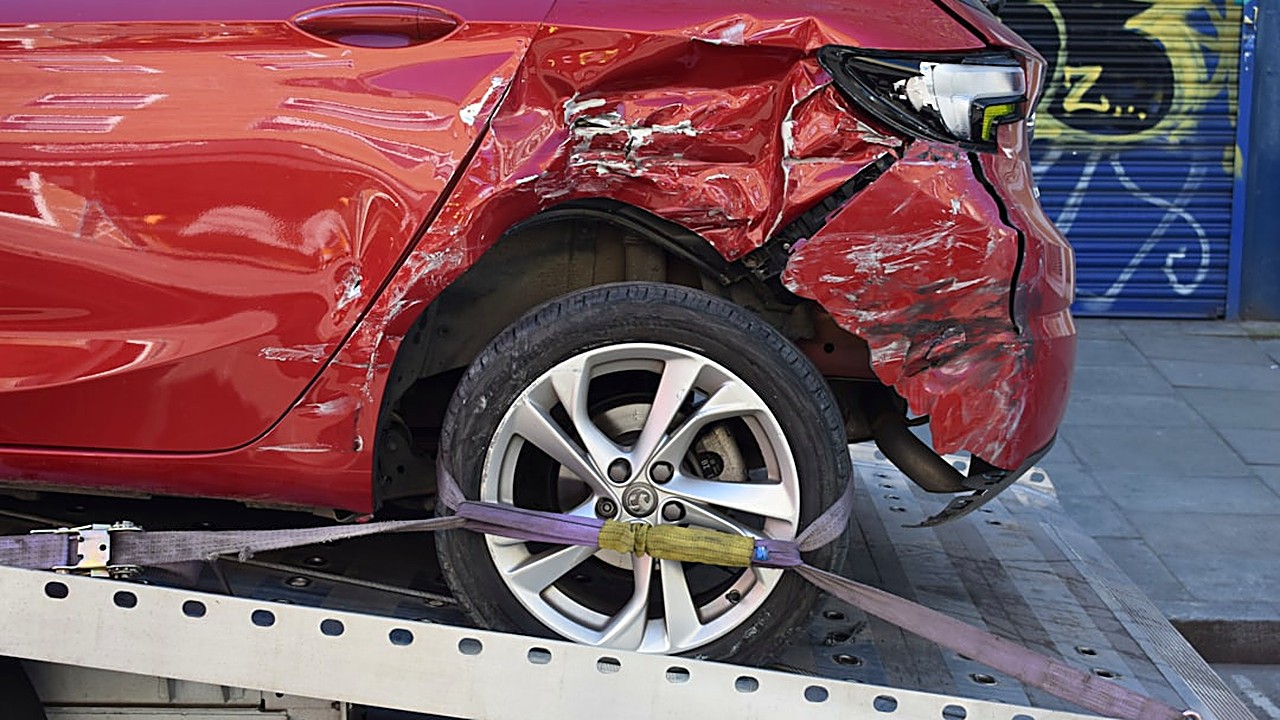
Quick answer: Gap insurance covers the difference between your car’s actual cash value and what you owe on a loan or lease if it’s totaled. It’s worth it if you made a small down payment, have a long loan term, or drive a model that depreciates fast. Skip it if you paid cash or have a short loan.↗ Share on X
The One-Line Answer Most Articles Miss
 Buying Your First Life Insurance Policy: What to Know →
 9 Life Insurance Mistakes That Can Leave Your Family Short →
 Your First Car Insurance Claim After an Accident, Explained →
Gap insurance isn’t about fixing your car. It’s about fixing your wallet when your car is totaled and the insurance payout falls short. If you financed a new car with little money down, this gap could be thousands of dollars. The catch? You only need it if your loan balance exceeds your car’s value at the time of the loss.
I learned this the hard way after my first new-car purchase in Texas. I put 10% down on a $30,000 SUV. Six months later, it was stolen. The insurer paid $25,000—the car’s depreciated value—but I still owed $28,000 on the loan. Without gap coverage, I’d have written a $3,000 check to the bank. Lesson learned: gap insurance isn’t optional for most new-car buyers.
Clear money tips in your inbox. No hype.
How Gap Insurance Works (With Real Numbers)
Affiliate link. We may earn a commission on purchases, at no extra cost to you.
This content is informational and is not investment advice or financial consulting.
Here’s the math behind the myth. Say you buy a $35,000 car with $3,500 down and finance the rest. Your loan balance starts at $31,500. Within a year, the car’s value drops to $28,000 due to depreciation. If it’s totaled in an accident, your collision insurance pays $28,000—the car’s actual cash value—but you still owe $31,500. Gap insurance covers the $3,500 difference.
Data from the Insurance Information Institute shows cars lose 20% to 30% of their value in the first year alone. For luxury brands like BMW or Mercedes, depreciation can hit 40% in three years. Gap insurance acts like a financial cushion for that steep drop.
When Gap Insurance Is Worth the Cost
 Is Life Insurance Worth It? Who Needs It and What It Costs →
 What Life Insurance Underwriters Check Before You Apply →
 Auto Insurance Comparison: Match These Lines Before Price →
Not every driver needs gap coverage. Focus on these three scenarios where it’s usually a smart buy:
1. Small Down Payment: Putting less than 20% down means you’re upside-down (owing more than the car’s worth) from day one. A $2,000 down payment on a $30,000 car? You’re already in the gap.
2. Long Loan Terms: Loans longer than 60 months stretch payments thin. A 72-month loan on a $30,000 car at 5% interest means you’re paying $477/month. After two years, you might still owe $24,000 while the car’s worth $18,000. That’s a $6,000 gap.
3. High-Depreciation Models: Some cars lose value faster than others. A 2022 study by iSeeCars found the Nissan Leaf loses 52% of its value in five years, while a Toyota Tacoma retains 60%. Gap insurance is more critical for the Leaf than the Tacoma.
I saw this play out when my sister bought a new Jeep Wrangler. She put 5% down on a $40,000 model. Two years later, the Wrangler’s value dropped to $28,000, but she still owed $32,000. Without gap insurance, she’d have had to cover the $4,000 difference out of pocket.
When You Can Skip Gap Insurance
Gap insurance isn’t a universal rule. Skip it if any of these apply to you:
- You Paid Cash: No loan means no gap. Your car’s value might drop, but you’re not on the hook for a loan balance.
- Short Loan Terms: A 36-month loan on a $30,000 car at 4% interest means you’re paying $888/month. After two years, you’ll owe about $10,000 while the car’s worth $18,000. The gap is minimal.
- High Down Payment: Putting 20% or more down reduces the risk of owing more than the car’s worth.
- Older Cars: If you’re financing a used car over 5 years old, depreciation slows. The gap between loan balance and car value shrinks.
My brother bought a used 2018 Honda Civic with 30,000 miles. He financed $15,000 over 48 months with 25% down. Even after two years, the car’s value stayed close to his loan balance. Gap insurance wasn’t worth it for him.
How Much Does Gap Insurance Cost?
Gap insurance isn’t free, but it’s usually affordable. Here’s what to expect:
- Dealership Gap Insurance: Often bundled into your loan. Costs $500 to $1,000 over the life of the loan, added to your monthly payment. Convenient, but not always the best deal.
- Auto Insurance Gap Rider: Some insurers offer gap coverage as an add-on to your collision/comprehensive policy. Costs $20 to $50 per year. Example: State Farm charges about $30/year for gap coverage in Texas.
- Third-Party Gap Insurance: Companies like Gap Direct or Car Care One sell standalone policies. Costs $200 to $400 upfront, but you pay it all at once. No monthly finance charges.
I compared quotes for my niece’s new Subaru. The dealership wanted $800 over 60 months. Her insurer offered it for $36/year. The third-party option was $250 upfront. The insurer’s option was the clear winner for her.
The Fine Print: What Gap Insurance Doesn’t Cover
Gap insurance sounds like a safety net, but it has holes. Know these exclusions before you buy:
- Deductibles: Gap insurance doesn’t cover your collision/comprehensive deductible. If you have a $1,000 deductible and your car’s totaled, you pay the deductible first. Gap insurance only covers what’s left after the insurer pays.
- Late Payments or Fees: Miss a loan payment? Gap insurance won’t cover late fees or penalties. It only covers the principal balance minus the car’s value.
- Extended Warranties or Add-Ons: Gap insurance doesn’t cover the cost of your extended warranty, gap waiver fees, or other aftermarket products you financed.
- Negative Equity Rollovers: If you rolled negative equity from a previous car into your new loan, gap insurance won’t cover that older debt. It only covers the new car’s gap.
- Mechanical Breakdowns: Gap insurance is for total losses, not repairs. If your transmission fails, you’re on your own unless you have separate mechanical breakdown insurance.
Alternatives to Gap Insurance
Gap insurance isn’t the only way to protect yourself. Consider these options if you’re unsure:
- New Car Replacement Insurance: Some insurers (like Allstate or Farmers) offer policies that pay for a brand-new car of the same make and model if yours is totaled, regardless of depreciation. Costs more than gap insurance but covers the full replacement cost.
- Loan/Lease Payoff Coverage: A hybrid of gap insurance and loan protection. It covers up to 25% of your loan balance above the car’s value. Example: If you owe $30,000 and the car’s worth $25,000, it covers $5,000 (25% of $20,000 gap).
- Higher Deductible on Collision/Comprehensive: If you can afford a higher deductible (e.g., $1,000 instead of $500), you might save enough on premiums to offset the cost of gap insurance.
When I moved from Texas to Colorado, I switched insurers. My new provider offered loan/lease payoff coverage for $24/year. It wasn’t gap insurance, but it covered up to 25% of the gap, which was enough for my needs.
How to Buy Gap Insurance Without Overpaying
Gap insurance is a commodity. The same coverage can cost $30/year or $1,000 over the life of a loan. Here’s how to get the best deal:
1. Check Your Auto Insurance First: Call your insurer and ask if they offer gap coverage as a rider. It’s often the cheapest option.
2. Compare Dealership vs. Third-Party: If your insurer doesn’t offer it, get quotes from third-party providers. Use tools like Bankrate or NerdWallet to compare prices.
3. Negotiate at the Dealership: If you’re buying gap insurance from the dealer, ask for the price in writing. Dealers often mark it up. You can sometimes get it for free if you bundle it with other services.
4. Read the Policy Carefully: Ensure the coverage matches your loan terms. Some gap policies have limits (e.g., only covers up to $5,000 of the gap).
5. Cancel If You Pay Off Early: Gap insurance is often refundable if you pay off your loan early. Check the terms to avoid wasting money.
I once helped a friend negotiate gap insurance at a dealership in Florida. The dealer quoted $900 over 60 months. After some back-and-forth, they reduced it to $400. Still not the best deal, but better than nothing.
Real-Life Scenarios: Who Needs Gap Insurance?
Let’s look at three hypothetical buyers to see who benefits most:
| Buyer | Car Price | Down Payment | Loan Term | Car’s Value After 1 Year | Loan Balance After 1 Year | Gap? | Gap Insurance Worth It? |
|---|---|---|---|---|---|---|---|
| Sarah | $30,000 | $3,000 (10%) | 72 months | $22,000 | $25,000 | $3,000 | Yes |
| Mark | $25,000 | $10,000 (40%) | 48 months | $18,000 | $12,000 | $0 | No |
| Lisa | $40,000 | $2,000 (5%) | 84 months | $28,000 | $35,000 | $7,000 | Yes |
Sarah and Lisa are classic cases where gap insurance makes sense. Mark, with a large down payment and short loan term, doesn’t need it. His car’s value stays ahead of his loan balance.
The Bottom Line: Should You Buy Gap Insurance?
Gap insurance is a small cost for a big potential payoff. If you’re financing a new car with a small down payment or a long loan term, it’s worth considering. But if you paid cash, have a short loan, or made a large down payment, you can likely skip it.
The key is to run the numbers. Compare the cost of gap insurance to the potential gap between your loan balance and your car’s value. If the gap could be thousands of dollars, gap insurance is a smart buy. If it’s a few hundred, it might not be worth it.
Remember, gap insurance is just one piece of the puzzle. Always review your full auto insurance policy to ensure you’re adequately protected.
Frequently asked questions
Is gap insurance required by law?
Gap insurance isn’t legally required in most states, but some lenders may mandate it if you finance a car with a small down payment or a long loan term. Always check your loan agreement for specific requirements.
Can I buy gap insurance after I purchase my car?
Yes, you can usually purchase gap insurance after buying your car, but it’s best to add it when you first finance the vehicle. Some insurers have time limits, such as 30 days, for adding gap coverage.
Does gap insurance cover my deductible?
No. Gap insurance only covers the difference between your car’s actual cash value and your loan balance. Your collision or comprehensive deductible is your responsibility and not included in gap coverage.
What happens if I sell my car before the loan is paid off?
Gap insurance typically ends when you sell or trade in your car. If you still owe money on the loan, you’ll need to pay off the remaining balance separately. Check your policy for details.
Is gap insurance refundable if I pay off my loan early?
It depends on the policy. Some gap insurance providers offer prorated refunds if you pay off your loan before the term ends. Always ask about refund policies and terms before purchasing.
*NOT a licensed insurance broker. NEVER recommends specific products. Consult licensed broker for actual decisions.*
Clear money tips in your inbox. No hype.
Educational content, not personalized financial advice. Sources cited where applicable.