New Car, New Deductible? How to Pick $500 or $1,000

Quick answer: After buying a new car, set your collision and comprehensive deductible at an amount you could pay from savings tomorrow without borrowing. If you have that cash, a higher deductible like $1,000 usually lowers your premium. If you financed or leased, check your contract first, because many lenders cap the deductible, often at $500 or $1,000.↗ Share on X
After you buy a new car, the right deductible is the largest amount you could pay out of pocket tomorrow without using a credit card or skipping a bill. If you have $1,000 in an emergency fund, a $1,000 deductible on collision and comprehensive usually lowers your premium compared with $500. If you have less saved, a lower deductible is the safer pick, even though it costs more each month. And if you have a loan or a lease, check the contract first: the lender often sets the highest deductible you are allowed to choose.
This article walks you through the decision in plain steps, with a simple way to do the math using your own quotes.
What does the deductible actually do on a new car?
 Life Insurance Basics: Know Before Buying First Policy →
 Moving Abroad for Good? What Happens to Your Insurance →
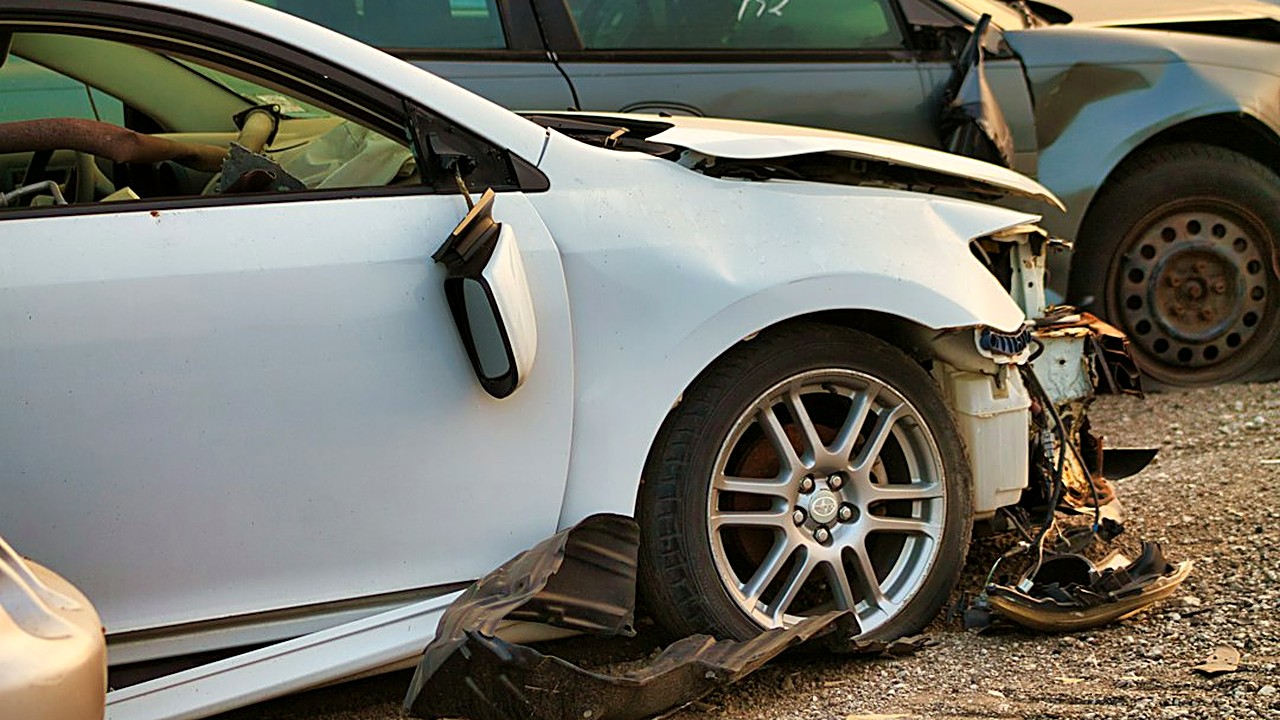 12 Hidden Things That Raise Your Car Insurance (Not Driving) →
A deductible is the part of a repair bill you pay before insurance pays the rest. It applies to two coverages:
- Collision: damage to your car from hitting another car or an object, like a pole or a fence.
- Comprehensive: damage that is not a crash, such as theft, hail, flood, fire, falling trees, or hitting a deer.
Liability coverage, which pays for damage you cause to other people, normally has no deductible.
Here is how it works with numbers. Say a fender bender costs $3,200 to fix and your deductible is $1,000. You pay $1,000 to the shop. Your insurer pays $2,200. With a $500 deductible, you pay $500 and the insurer pays $2,700.
A higher deductible means you take on more of the risk, so the insurer usually charges you less. A lower deductible means the insurer takes more risk, so it charges more.
Clear money tips in your inbox. No hype.
Why does buying a new car change the decision?
Affiliate link. We may earn a commission on purchases, at no extra cost to you.
This content is informational and is not investment advice or financial consulting.
Three things change when you go from an older car to a new one:
1. Repair costs go up. Newer cars have sensors, cameras, and bumpers that cost more to fix. Even small accidents can pass your deductible easily.
2. Your premium for collision and comprehensive goes up. The car is worth more, so these coverages cost more. That makes the savings from a higher deductible larger in dollars.
3. A lender may now be involved. If you financed or leased, you may not be free to pick any deductible you want.
On an old car, some people drop collision coverage completely. On a new car, especially one with a loan, that is usually not allowed and rarely a good idea.
How do you find the right deductible in 5 steps?
 How Insurers Read Your Medical Records to Set Life Premiums →
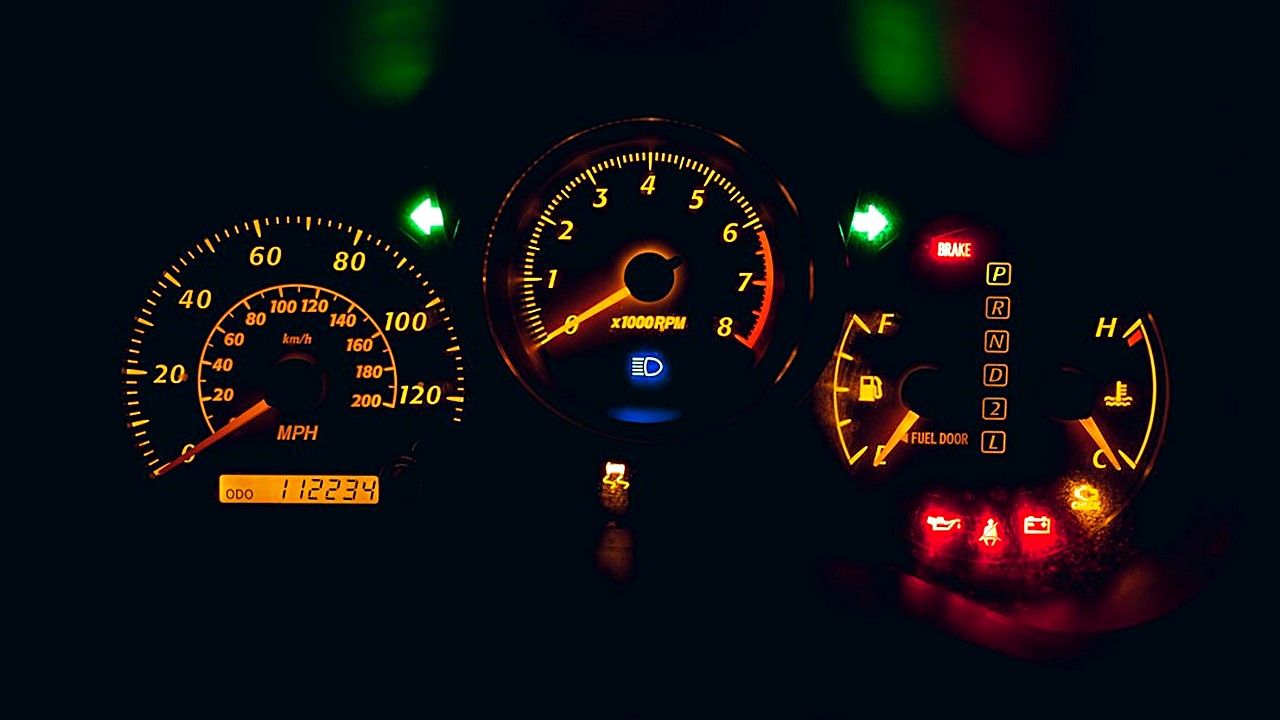 How Insurers Check Your Mileage for Low-Mileage Discounts →
 Divorced? Your Ex May Still Get Your Life Insurance Payout →
Step 1: Check your loan or lease contract
Look for a section called "insurance requirements." It often lists the coverages you must carry and the maximum deductible. If it says $500, that is your limit, no matter what the math says. If you cannot find it, call the lender and ask: "What is the highest collision and comprehensive deductible I am allowed?"
Step 2: Look at your savings honestly
Open your bank app. How much could you pay today without touching rent, groceries, or bills? That number is your ceiling. Never choose a deductible larger than cash you actually have.
Step 3: Get quotes for at least three deductibles
Ask your agent or use the insurer's website to price the same policy with $250, $500, and $1,000 deductibles. Write the prices down. Prices vary a lot by state, insurer, car model, and driving record, so your own quotes are the only numbers that matter.
Step 4: Do the break-even math
Use this simple formula:
Extra risk ÷ yearly savings = years to break even
Example with made-up quotes:
| Deductible | Yearly cost for collision + comprehensive | Savings vs. $500 | Extra you would pay in a claim |
|---|---|---|---|
| $250 | $1,180 | –$140 (costs more) | $250 less |
| $500 | $1,040 | — | — |
| $1,000 | $880 | $160 per year | $500 more |
Moving from $500 to $1,000 adds $500 of risk and saves $160 a year. $500 ÷ $160 is about 3.1 years. If you go about three years or more between claims, the higher deductible comes out ahead. If you tend to have a claim every year or two, the lower one may be better.
These numbers are an example only. Plug in your real quotes.
Step 5: Decide on each coverage separately
Many insurers let you set different amounts. A common setup is a $1,000 collision deductible and a $500 comprehensive deductible. Comprehensive claims, like hail or a broken windshield, can happen even to careful drivers, so some people prefer to keep that one lower.
Also ask whether your policy offers full glass coverage. In some policies, windshield repairs have a separate, lower deductible or none at all.
What else should you add when the car is brand new?
The deductible is only one piece. With a new car, ask about these two coverages too:
- Gap insurance: A new car loses value fast. If it is totaled in the first years, the insurer pays what the car is worth, which can be less than what you still owe on the loan. Gap coverage pays the difference. Many lenders require it on leases.
- New car replacement: Some insurers will replace a totaled car with a new one of the same model, usually only within the first year or two and under a mileage limit. It costs extra and the rules vary.
Dealers often sell gap coverage too. Compare their price with your insurer's before signing.
Which mistakes cost new car owners the most?
1. Picking the highest deductible just for the lowest price. If you cannot pay it after a crash, you may leave the car unrepaired or go into debt.
2. Forgetting the lender's limit. If your deductible breaks the contract rules, the lender can buy expensive insurance for you and add it to your loan.
3. Not telling the insurer about the new car right away. Many policies give a short grace period for a new vehicle, but the time limit varies. Call the same day you buy if you can.
4. Never revisiting it. As your savings grow, a higher deductible may make sense. Review it at every renewal.
5. Filing small claims. If damage is only a little above your deductible, a claim may raise your future premium. Get a repair estimate first and think about whether it is worth filing.
What should you ask your agent on the phone?
Calls go faster when you have your questions ready. Read these out loud and write down each answer:
1. "What is my premium with a $500 deductible, and with a $1,000 deductible, on collision and comprehensive?"
2. "Can I set collision and comprehensive deductibles separately?"
3. "Does my policy have a separate glass deductible, or full glass coverage?"
4. "How many days do I have to add a newly bought car to my policy?"
5. "Do you offer gap coverage or new car replacement, and what does each cost per year?"
6. "If I raise my deductible today, when does the new price start?"
7. "Are there discounts I am missing, like for bundling home and auto or for the car's safety features?"
Keep the answers in the same folder as your loan paperwork. Next year, at renewal, you will have a clear starting point to compare.
When should you talk to a professional?
Talk to a licensed insurance agent or broker if you are unsure what your state requires, if your contract language is confusing, or if you want quotes from several companies at once. An independent agent can compare insurers for you. For questions about your loan terms, call the lender directly. This article is general information, not advice for your specific situation.
Your next step today
Take 20 minutes today and do three things. First, find the insurance section of your loan or lease paperwork and write down the maximum deductible. Second, check how much emergency cash you really have. Third, call your insurer and ask for prices at $500 and $1,000 for collision and comprehensive, plus the price of gap coverage. Then run the break-even math from Step 4 and choose the highest deductible that fits both your contract and your savings.
FAQ
Does my lender decide my deductible?
Often, yes, in part. Most auto loans and leases require collision and comprehensive coverage and set a maximum deductible. Read the insurance section of your contract or call the lender before you raise it.
Can I have different deductibles for collision and comprehensive?
Yes. Many insurers let you pick them separately. Some drivers keep a lower comprehensive deductible for things like hail or a cracked windshield and a higher collision deductible.
When can I change my deductible?
With most insurers you can change it at any time, not only at renewal. The new premium is usually adjusted from the date of the change. Ask your agent to confirm how your company handles it.
Clear money tips in your inbox. No hype.
Educational content, not personalized financial advice. Sources cited where applicable.